
CPTED Assessments and Security Consulting in Miami
CPTED assessments for Miami multifamily and commercial properties focused on identifying security risks, improving safety, and supporting compliance with Florida Statute 768.0706 (HB 837) while reducing liability exposure.
Property Security Assessments for Multifamily and Commercial Properties in
Miami
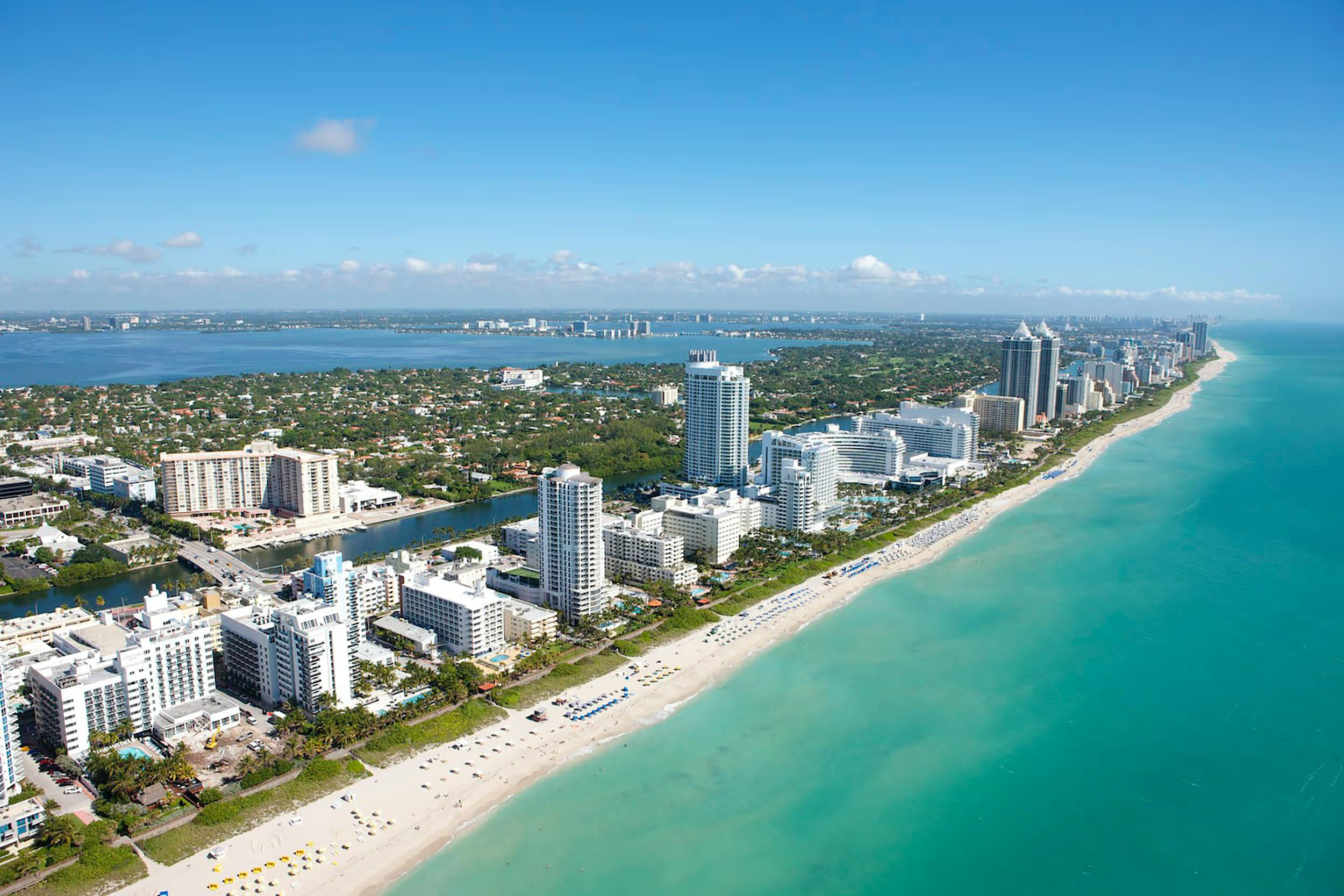
Miami properties operate in a high-density, mixed-use environment influenced by tourism, nightlife, and ongoing development. Multifamily communities and commercial properties often experience increased interaction between public and private spaces, which can create challenges related to access control, visibility, and monitoring of shared areas.
Large apartment complexes, structured parking garages, and amenity spaces may present conditions where visibility is limited or concealment opportunities exist if not properly evaluated. Lighting conditions also play a critical role, as areas that are insufficiently illuminated can reduce natural surveillance and increase risk.
A CPTED assessment provides a structured evaluation of these environmental and operational conditions, helping property owners identify factors that may contribute to crime risk and liability exposure.
CPTED Assessments for Apartment Complexes in
Miami
Multifamily housing is one of the most common property types involved in negligent security claims. Parking lots, walkways, and shared spaces often present the highest risk areas. A CPTED assessment evaluates how property design, lighting, access control, and maintenance influence crime risk.
Key areas we evaluate include:
- Property access points and entry control
- Lighting conditions across parking areas and walkways
- Visibility and natural surveillance
- Landscaping and concealment risks
- Building layout and common areas
- Existing security measures and maintenance practices
Our considerations focus on practical improvements that property owners can implement to reduce crime exposure and improve resident safety. CPTED principles such as natural surveillance, access control, territorial reinforcement, and maintenance form the foundation of these assessments
Florida Statute 768.0706 and
Miami
Property Compliance
Florida law has introduced new requirements for multifamily property security. Florida Statute 768.0706 (HB 837) provides a presumption against liability for property owners if specific security measures are implemented.
These measures include:
- Security cameras at entry and exit points
- Adequate lighting across the property
- Proper door and window locks
- Controlled access to amenities such as pools
- Ongoing employee safety training
- A valid CPTED assessment performed by a qualified practitioner
By January 1, 2025, multifamily properties must obtain a CPTED assessment and maintain compliance to support liability protection. For property owners, this makes CPTED assessments not only a safety measure but also an important step in managing legal risk.
Security Considerations for
Miami
Properties
Miami presents unique environmental and operational conditions that influence property security. High pedestrian activity, tourism, and mixed-use development can increase interaction between public and private spaces. Properties located near entertainment districts, transit hubs, or waterfront areas may experience increased access challenges and visibility limitations.
Environmental conditions such as dense landscaping, multi-level parking structures, and large amenity areas can create opportunities for concealment if not properly evaluated. Lighting conditions also play a critical role, particularly in parking areas and building entrances where insufficient illumination may reduce visibility and limit natural surveillance.
A CPTED assessment evaluates how property design and operational practices influence crime risk, helping property owners understand where improvements may be necessary to support safety and reduce liability exposure.
Is Your Property in
Miami
Designed to Reduce Crime Risk?
Identify security risks before they become problems.
Who We Work With in
Miami

Apartment Complex Owners
Apartment complex owners use CPTED assessments to evaluate property conditions that may contribute to crime risk. The assessment reviews lighting, visibility, access control, and environmental design considerations to support safer communities and reduce liability exposure under Florida Statute 768.0706 (HB 837).
Management Companies
Property management companies use CPTED assessments to identify security risks across multifamily communities. The assessment evaluates environmental conditions and operational practices that may impact resident safety and property performance.
HOA Communities
HOA communities use CPTED assessments to evaluate shared spaces, access points, and common areas. The assessment identifies conditions that may impact resident safety and overall property security.
Real Estate Developers
Developers use CPTED assessments during planning and design phases to evaluate site layout, visibility, and access control. The assessment identifies environmental considerations that may influence long-term safety and risk exposure.
Commercial Property Owners
Commercial property owners use CPTED assessments to evaluate security conditions across retail centers, office properties, and mixed-use developments. The assessment identifies environmental vulnerabilities and considerations that may affect tenant safety and liability exposure.
Our Review Process
Property and Crime Context Review
Before the on site visit, we review available property information and neighborhood crime conditions. This step helps identify issues that may require special attention during the site evaluation.
On Site Assessment
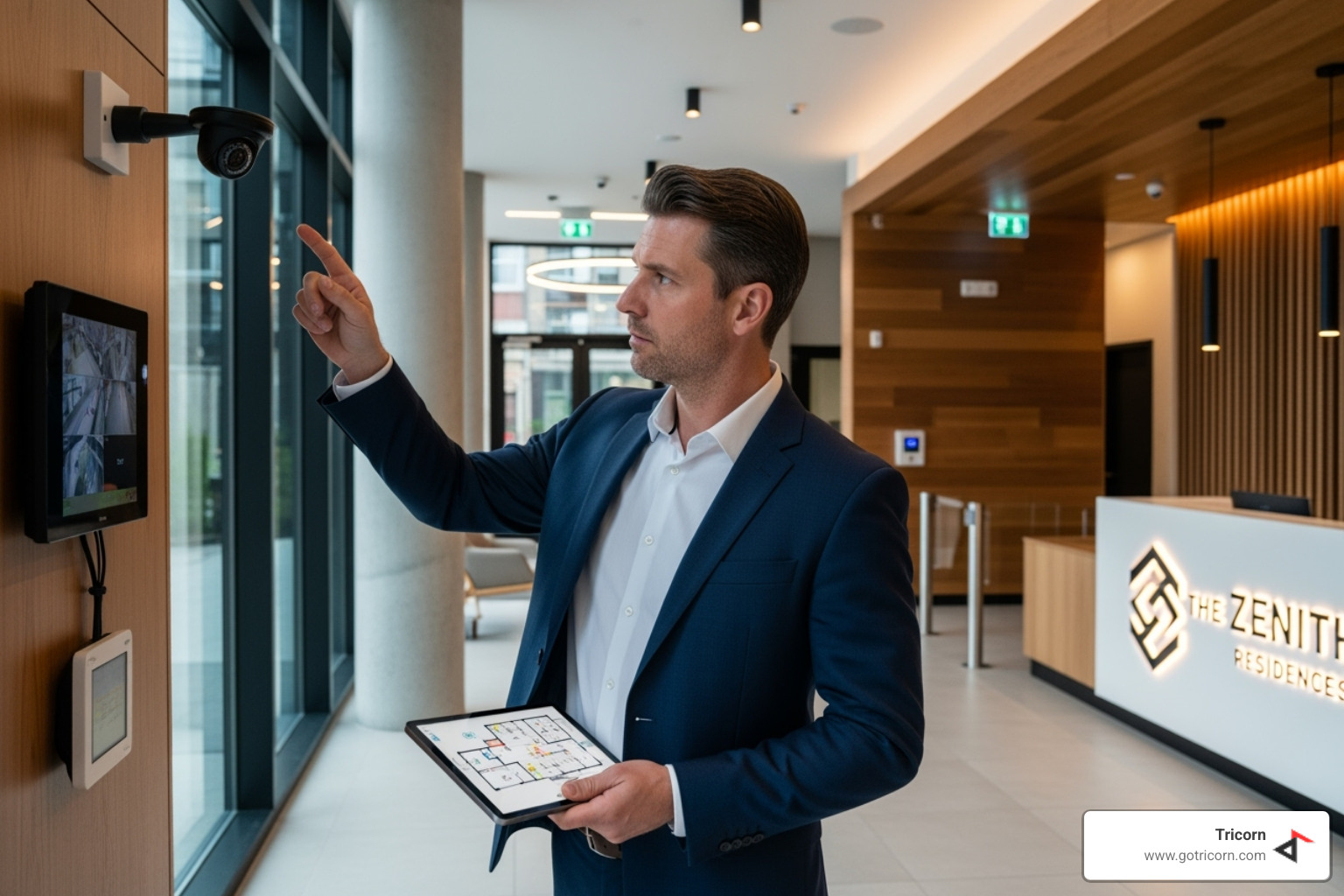
Our assessor conducts a detailed review of the property including parking areas, entrances, walkways, landscaping, lighting, and common spaces. The goal is to identify environmental conditions that may increase offender concealment, limit visibility, or weaken access control. We identify vulnerabilities and conditions that may impact safety, operations, and liability exposure.
Nighttime Observation
Nighttime conditions are evaluated to determine whether lighting and visibility support safe observation of the property after dark. Parking areas, building entrances, and common spaces are reviewed to identify shadow areas or lighting deficiencies.
Assessment Report and Presentation
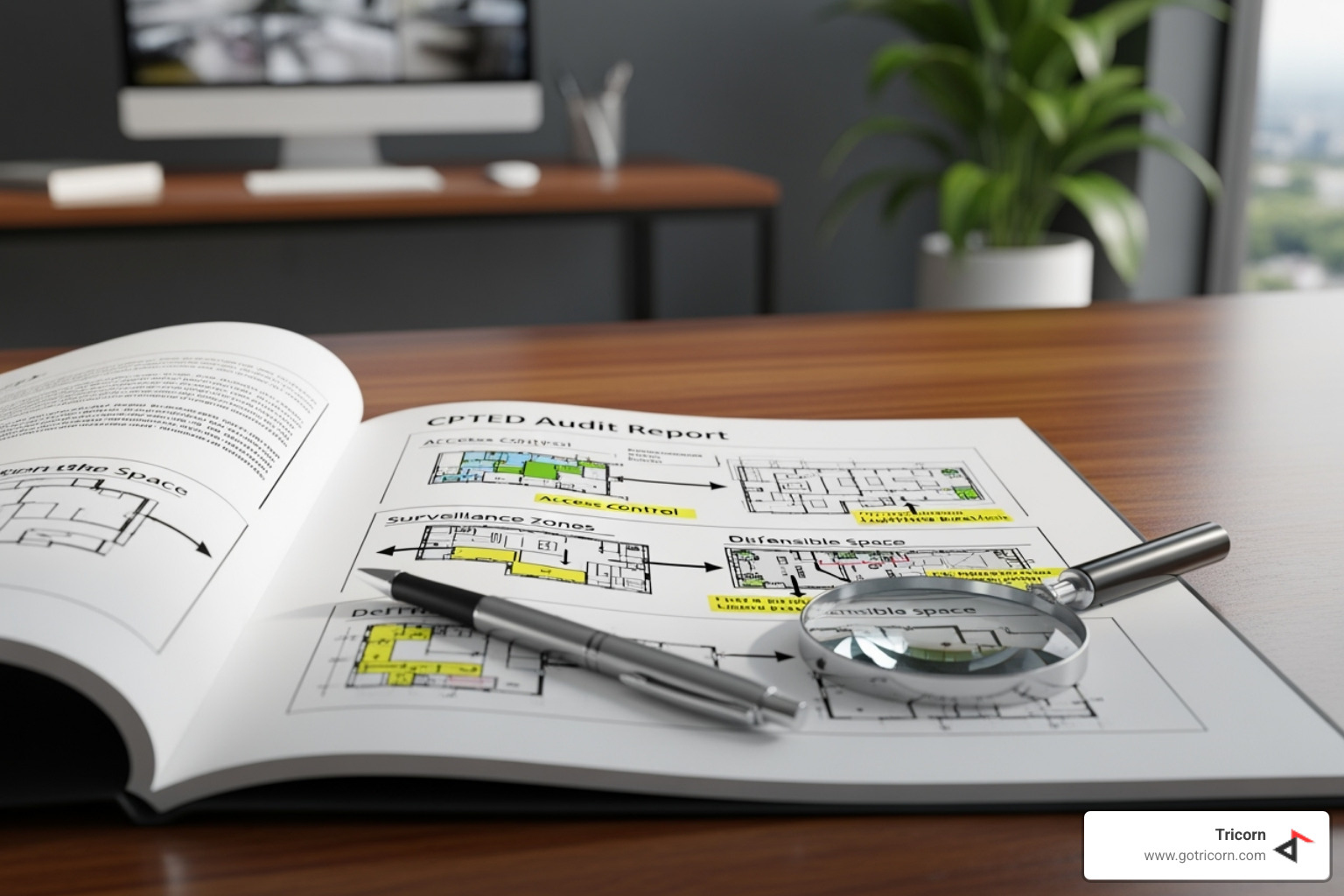
After the assessment is completed, you receive access to the results through a secure report link along with a downloadable PDF report. The report includes documented observations and considerations for improvements.
Our assessor then meets with you to review the findings and discuss considerations that may improve property safety and reduce potential security risks.
Your Safety is Our Priority
Complete the form below to request an assessment for your property.
Frequently Asked Questions
A CPTED (Crime Prevention Through Environmental Design) assessment evaluates how property design, layout, and conditions may influence crime risk. The assessment reviews factors such as lighting, visibility, access control, and environmental conditions to identify vulnerabilities and considerations that may impact safety.
The assessment evaluates property access points, lighting conditions, visibility and sightlines, environmental design, and property management practices. These factors are reviewed to identify conditions that may contribute to crime risk.
Florida Statute 768.0706 (HB 837) addresses negligent security considerations for multifamily properties. A CPTED assessment can help identify environmental and operational conditions that may be relevant when evaluating property safety and liability exposure.
The timeline depends on property size, layout, and scope. Most assessments include an on-site evaluation followed by a structured report outlining findings and considerations.
The cost of a CPTED assessment depends on property size, layout, and scope. Multifamily and commercial properties vary significantly, so assessments are scoped based on site conditions and evaluation requirements.
You can request an assessment by completing the form on this page, and our team will provide details based on your property.
Yes, Tricorn provides CPTED assessments throughout South Florida, including
- Miami Beach
- Hialeah
- Fort Lauderdale
- Hollywood
- Pembroke Pines
- Miramar
- Coral Gables
- Doral
- and surrounding areas across Miami-Dade and Broward County.



.jpeg)







.jpeg)