What Is a CPTED Assessment for Apartment Complexes?
March 13, 2026
Rini de Graaf
What Is a CPTED Assessment for Apartment Complexes?
Property owners and managers are increasingly expected to take reasonable steps to protect residents and visitors from foreseeable crimes. One of the most effective ways to evaluate property security risks is through a CPTED assessment. A CPTED assessment evaluates how the layout, lighting, access points, landscaping, and other environmental features affect safety and security. For apartment complexes and multifamily communities, a CPTED assessment can help identify vulnerabilities, improve property safety, and reduce exposure to negligent security claims. This article explains what a CPTED assessment involves and why it is becoming an important tool for property owners and managers.
Understanding CPTED Principles
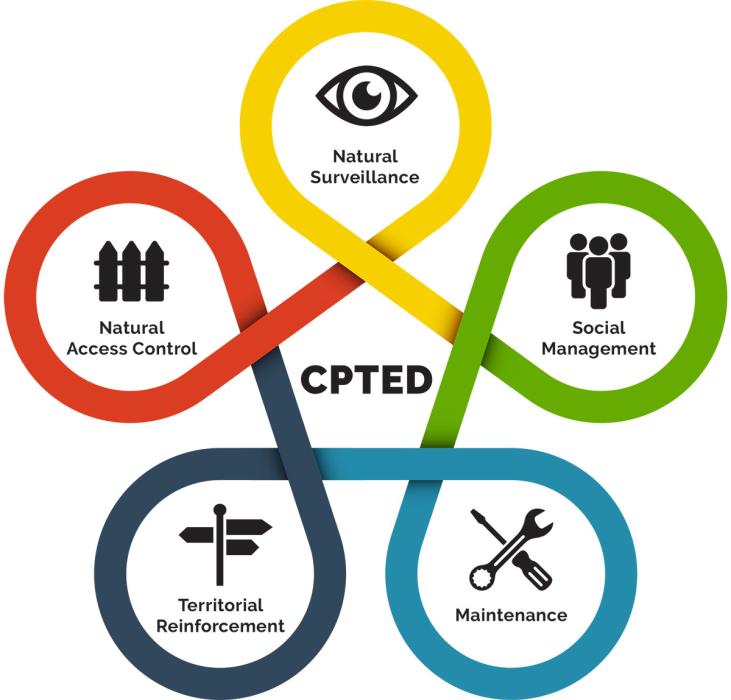
Crime Prevention Through Environmental Design focuses on improving safety through the design and management of the built environment. CPTED strategies typically focus on several key principles.
Natural Surveillance
Natural surveillance involves designing spaces so people can easily observe what is happening around them. Examples include:
- Proper lighting in parking areas and walkways
- Clear sight lines around entrances and stairwells
- Windows overlooking public areas
- Removal of visual barriers such as overgrown landscapingThe goal is to reduce hidden areas where criminal activity can occur.
Research shows that improving visibility in public and private spaces can reduce opportunities for crime.
Natural Access Control
Natural Access control refers to managing how people enter and move through a property. Examples include:
- Controlled entrances and exits
- Security gates
- Clearly defined walkways
- Fencing or barriers in restricted areas
Effective access control helps prevent unauthorized individuals from entering private areas.
Territorial Reinforcement
Territorial reinforcement involves creating clear distinctions between public and private spaces. This may include:
- signage identifying private property
- defined pathways and boundaries
- well-maintained landscaping clearly marked entrances
When people feel a sense of ownership over a space, they are more likely to notice and report suspicious activity.
Maintenance and Management
A well-maintained property signals that the area is actively managed and monitored. Examples include:
- repairing broken lighting
- removing graffiti promptly
- maintaining landscaping
- addressing damaged fencing or gates
Poor maintenance can signal that a property is not actively monitored and may attract criminal activity.

Why Apartment Complexes Benefit From CPTED Assessments
Multifamily properties face unique security challenges. Apartment communities typically include:
- large parking areas
- multiple buildings
- shared walkways and stairwells
- common amenities such as pools or fitness areas
These features can create security vulnerabilities if they are not properly designed or maintained. A CPTED assessment helps property owners evaluate these risks and identify practical improvements.
Reducing Crime Opportunities
Many crimes occur because opportunities exist. Examples include:
- poorly lit parking lots
- hidden stairwells
- unsecured access points
- overgrown landscaping blocking visibility
By identifying these vulnerabilities, property owners can reduce the likelihood of criminal activity. CPTED focuses on preventing crime by improving environmental design rather than relying solely on security personnel or surveillance systems.
Improving Resident Safety
Residents expect apartment communities to provide a reasonably safe living environment. Security improvements identified through a CPTED assessment may include:
- improving lighting around parking areas
- adding cameras in high risk locations
- improving access control systems
- modifying landscaping to improve visibility
These improvements can enhance both real safety and the perception of safety among residents.
Supporting Risk Management and Liability Reduction
Property owners face legal exposure if reasonable security measures are not taken. Negligent security claims often arise when property owners fail to address known risks. A CPTED assessment provides documented evidence that a property owner has taken steps to evaluate and address security vulnerabilities. This documentation may be helpful in demonstrating due diligence in the event of legal claims.
In Florida, a documented CPTED assessment conducted by an FCP-certified practitioner is one of the requirements for establishing the presumption against liability under Florida Statute 768.0706. Property owners who achieve substantial compliance with the statute's security requirements gain stronger legal protection against negligent security lawsuits.
What a CPTED Assessment Evaluates
A CPTED assessment typically involves a comprehensive review of the property's design, layout, and security features. The process includes both daytime and nighttime inspections. Common areas evaluated include the following.
Parking Areas
Parking lots and garages are frequently targeted for criminal activity. An assessment will typically evaluate lighting levels, visibility across parking areas, access control points, and pedestrian pathways. Parking areas should allow clear visibility and eliminate hiding areas whenever possible. A security lighting assessment can document whether parking lot illumination meets the 1.8 foot-candle minimum required under Florida Statute 768.0706.
Building Entrances and Access Points
Entrances are critical security points. An assessment may evaluate whether entrances are clearly visible, whether access control systems are functioning properly, whether doors automatically close and lock, and whether unauthorized entry is possible. Proper access control reduces opportunities for unauthorized entry into residential buildings.
Walkways and Pathways
Walkways should allow clear visibility and safe movement throughout the property. Key factors evaluated include lighting along pathways, visibility around corners, potential hiding areas, and accessibility of emergency assistance. Walkways that are isolated or poorly lit can increase safety risks.
Landscaping and Visibility
Landscaping can unintentionally create security vulnerabilities. Large shrubs blocking windows, dense vegetation hiding walkways, and trees obstructing lighting are common findings. CPTED considerations often include trimming or redesigning landscaping to improve visibility.
Common Areas and Amenities
Amenities such as pools, gyms, and recreational spaces can attract unauthorized visitors if access is not properly controlled. An assessment may review access control systems, surveillance coverage, lighting levels, and visibility from surrounding buildings. These areas should remain visible and monitored to discourage unauthorized activity.
The CPTED Assessment Process
Although the exact process varies by consultant, a typical CPTED assessment includes several steps.
Property Inspection
A CPTED consultant conducts a detailed inspection of the property. This may include reviewing building layouts, parking areas, access points, lighting conditions, and landscaping. Nighttime inspections are conducted to evaluate lighting effectiveness.
Security Risk Evaluation
The consultant identifies potential vulnerabilities that could increase crime risk. These vulnerabilities may include poorly controlled access points, limited surveillance coverage, insufficient lighting, and areas with limited visibility. The evaluation focuses on identifying environmental conditions that create opportunities for criminal activity.
Considerations for Improvements
After the evaluation, the consultant provides considerations for improving security. These considerations may include improved lighting placement, additional cameras, changes to landscaping, improved access control systems, and signage improvements. The considerations are designed to reduce crime opportunities while maintaining practical property operations.
When Property Owners Should Consider a CPTED Assessment
Property owners may benefit from a CPTED assessment in several situations, including acquiring a new property, renovating or redeveloping an apartment community, responding to increased crime incidents, preparing for insurance or legal risk reviews, and evaluating security improvements for existing properties. Conducting a proactive assessment allows property owners to identify risks before incidents occur. CPTED strategies are most effective when considered early in property planning and design.
Choosing a CPTED Consultant
When selecting a CPTED consultant, property owners should look for professionals with experience evaluating multifamily properties and crime risk factors. Important considerations include experience conducting CPTED assessments, familiarity with property security risks, ability to provide practical considerations, and knowledge of Florida's statutory requirements. In Florida, the assessment must be conducted by a practitioner holding the FCP designation issued by the Florida Crime Prevention Training Institute.
Final Thoughts
Apartment complexes and multifamily communities face a range of security challenges. Property design, lighting, access control, and maintenance all influence crime risk. A CPTED assessment provides a structured way to evaluate these factors and identify improvements that can strengthen property safety. By addressing vulnerabilities early, property owners can reduce crime exposure, improve resident safety, and demonstrate responsible property management.
Compliance with Florida Statute 768.0706 also requires crime deterrence training for all property employees, with current staff trained by January 1, 2025 and new hires within 60 days of their start date.
For property managers and real estate owners seeking to improve security, a CPTED assessment is often one of the most effective first steps. If you would like to discuss a property assessment, contact the Tricorn team to schedule a consultation.
Request a CPTED assessment quote
Tell us about your property and you'll receive scope, timeline, and a fixed quote within one business day. No obligation.
Why Property managers choose Tricorn
Prefer to reach us directly