Security Lighting Assessments
Tricorn provides security lighting assessments for apartment complexes and residential communities. Our team evaluates illumination levels, visibility conditions, and nighttime lighting performance to identify areas that may contribute to safety concerns.
What Is a Security Lighting Assessment
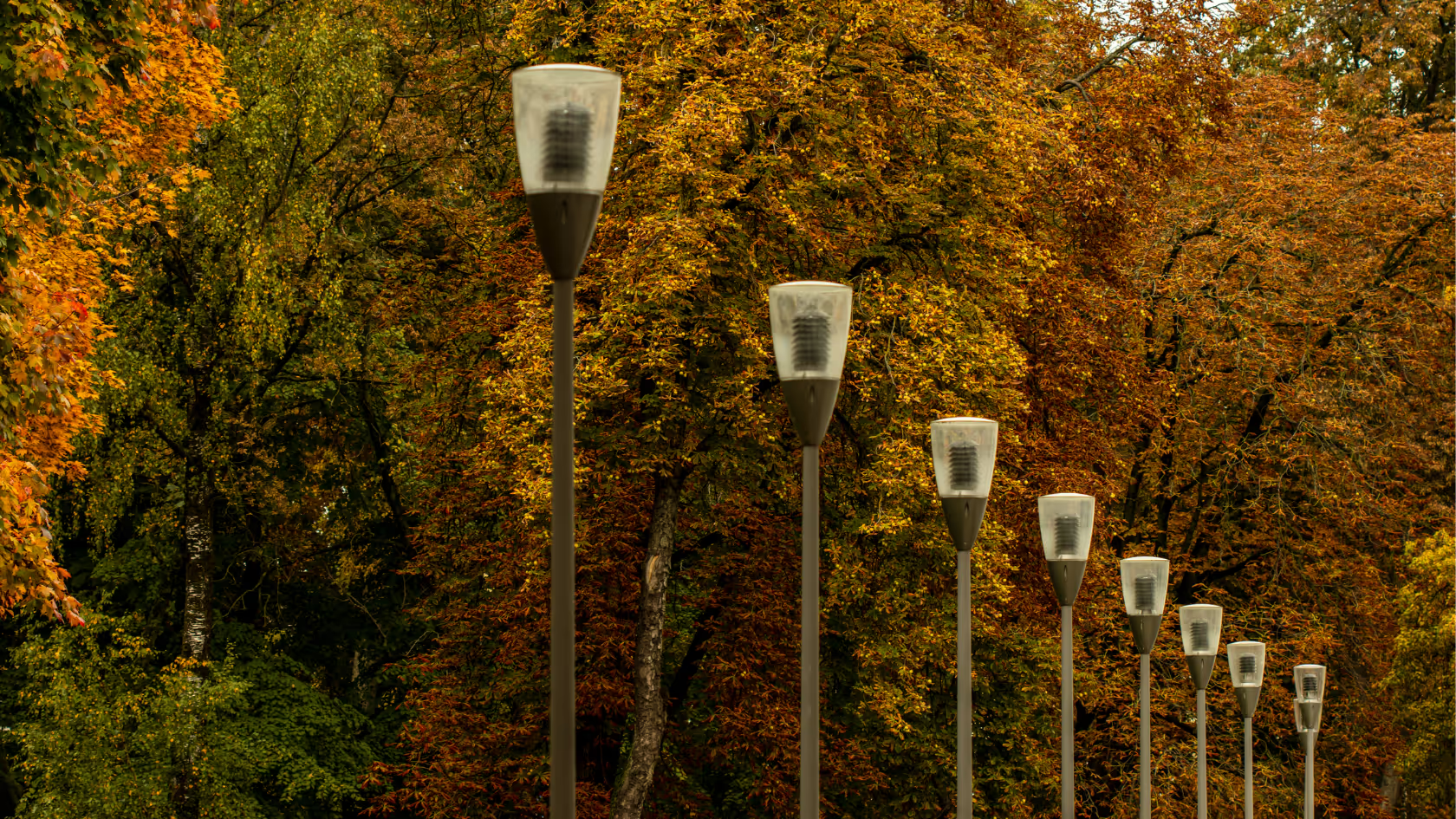
Security lighting assessments evaluate how lighting conditions affect visibility and safety across a property.
For multifamily communities, lighting conditions influence how easily residents and visitors can observe activity in parking areas, walkways, entrances, and shared spaces.
Our assessors review illumination levels, identify insufficiently illuminated areas, and evaluate whether lighting supports clear visibility throughout the property at night.
The goal is to identify conditions where lighting may reduce visibility or create concealment opportunities.
Who is qualified to perform the lighting CPTED assessment?
Every Tricorn CPTED assessment is conducted by a Florida Crime Prevention Through Environmental Design Practitioner (FCP) designated by the Florida Crime Prevention Training Institute.
The FCP credential is the qualification required under Florida Statute 768 0706 for multifamily properties seeking the presumption against liability. Outside Florida, it signals that your assessment is being performed by a practitioner trained to national CPTED standards rather than a general security consultant or facilities inspector. This distinction matters in litigation. Assessments conducted by unqualified parties are routinely challenged by opposing counsel in premises liability cases. A report authored by a credentialed practitioner carries weight that a generic security audit does not.
Every Tricorn assessment is conducted by an FCP-certified practitioner with real-world security and operational experience. Our team includes Mario deGraaf (FCP, CPD) with 17+ years military intelligence experience and hundreds of completed assessments, Kyle Scroggins (FCP) with 14+ years in multifamily security, Robert Gaskell (FCP), a U.S. Air Force veteran with 100+ assessments completed, and Seth Ryan (FCP), a U.S. Army Special Operations Ranger and former law enforcement officer. Meet the full team.
Key Lighting Conditions We Evaluate
Security lighting assessments examine environmental conditions that influence visibility and safety across residential communities.
Illumination Levels
Our assessors measure lighting levels to determine whether parking areas, walkways, and entrances provide adequate visibility at night. Low illumination levels can reduce visibility and increase safety concerns.
Visibility and Sightlines
Lighting should allow residents and staff to observe activity around buildings and common areas. Our team evaluates whether lighting conditions support clear sightlines across the property.
Obstructions
We identify locations where trees, buildings, or fixtures create shadow areas that limit visibility and observation.
Lighting Placement and Coverage
Our team reviews lighting placement to determine whether fixtures provide consistent coverage across important areas such as parking lots, walkways, and building entrances.
Are Lighting Conditions Creating Security Risks?
Identify security risks before they become problems.
Who Needs a Lighting Assessment

Property Managers
Property managers often request lighting assessments when reviewing nighttime visibility conditions across apartment communities.
Real Estate Acquisition
Acquisition teams may evaluate lighting conditions during due diligence to identify improvements that may be needed after purchase.
Property Owners
Property owners use lighting assessments to identify improvements that can strengthen property safety and improve visibility for residents and visitors.
Real Estate Developers
Developers evaluate lighting design when planning new multifamily communities to support visibility and safety across shared spaces.
Asset Managers
Asset managers may request lighting assessments when reviewing security conditions across a portfolio of residential properties.
Our Process
Property and Risk Review
Before the site visit, our team reviews available information about the property including layout, features, and known safety concerns. This helps identify areas that require focused evaluation.
Fixture Identification and Layout Review
During the assessment, we identify lighting fixture types, placement, and coverage patterns to understand how illumination is distributed across the property.
Nighttime Observation
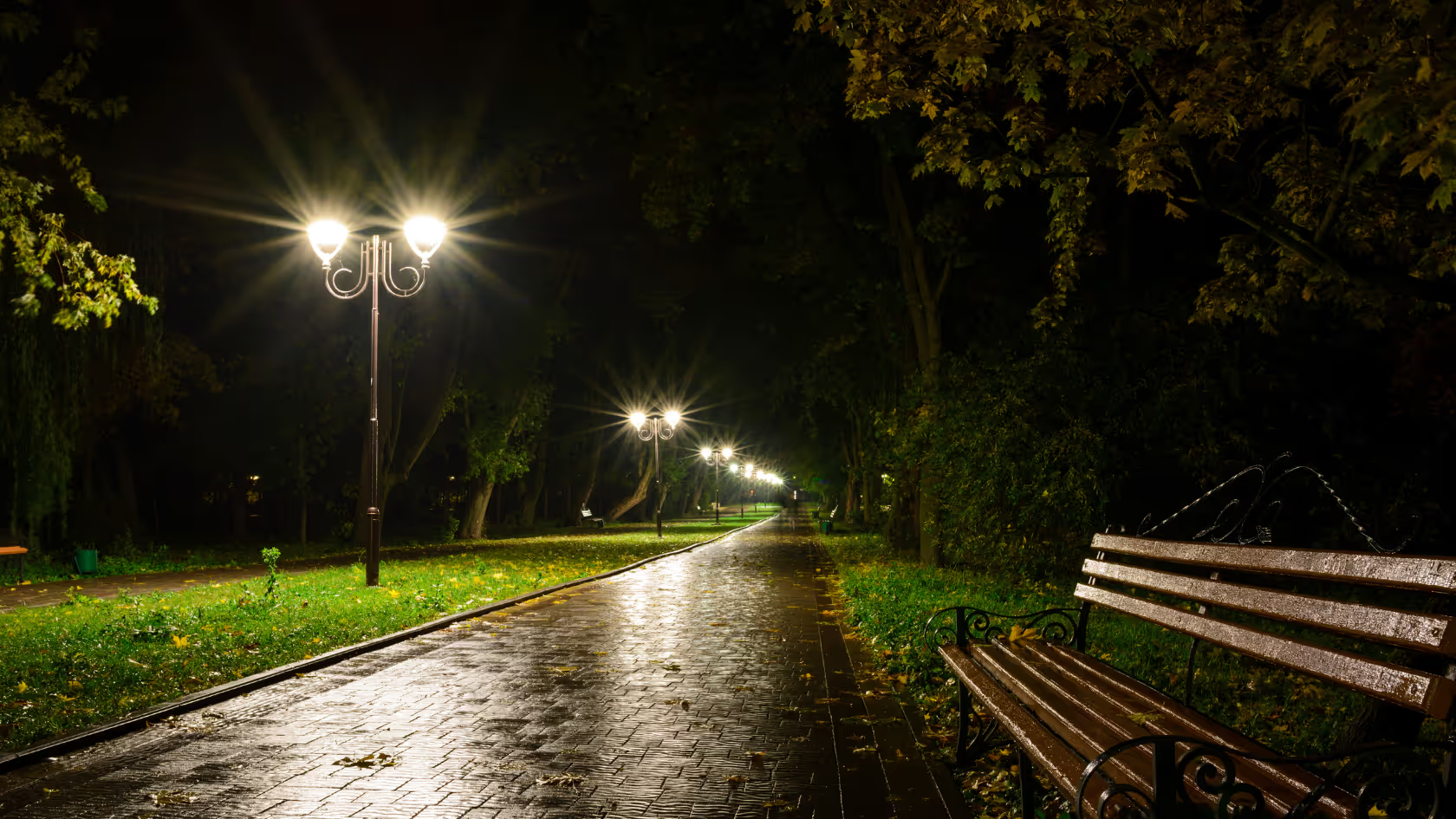
Our assessments are conducted after dark to evaluate real lighting conditions. We review visibility, illumination levels, and shadowed areas across parking areas, walkways, entrances, and shared spaces.
Report and Client Review
Clients receive a written report and web link documenting observations, photographs, and recommended considerations. Our team reviews the findings and discusses next steps.
Our assessor then meets with you to review the findings and discuss considerations that may improve property safety and reduce potential security risks.
Locations We Serve for Security Lighting Assessments
Tricorn provides security lighting assessments for apartment complexes and residential communities across Florida, including the cities below.






Request a lighting assessment quote
Tell us about your property and we'll provide a scope, timeline, and fixed quote within one business day. No obligation.
Why Property managers choose Tricorn
Prefer to reach us directly
Frequently Asked Questions
A lighting assessment evaluates how lighting conditions affect visibility and safety across a property. Our assessors identify areas where lighting may limit visibility or create shadow areas.
You can contact us to request an estimate for your property.
Lighting helps residents and staff observe activity around buildings and shared spaces. Poor lighting can reduce visibility and increase safety concerns.
Yes. After completing the assessment, clients receive a report documenting lighting conditions, photographs, and recommended improvements.
Improving lighting visibility across parking areas, walkways, and entrances can strengthen observation and reduce concealment opportunities.
Other Services We Provide

CPTED Assessments

Security Lighting Assessments

Florida Statute 768.0706 Compliance

.avif)